By Dr. Urvashi Bhushan, MDS (Pediatric & Preventive Dentistry)

As parents, we prioritise the oral health of our children, and sometimes dental issues arise that need specialised treatment. One such treatment is root canal treatment (RCT), which, although commonly associated with adults, can also be necessary for children. In this post, we explore root canal treatment in children: why it matters, how it is done and how safe it is. Understanding the procedure helps you make informed decisions about your child’s oral health.
Why RCT matters in children
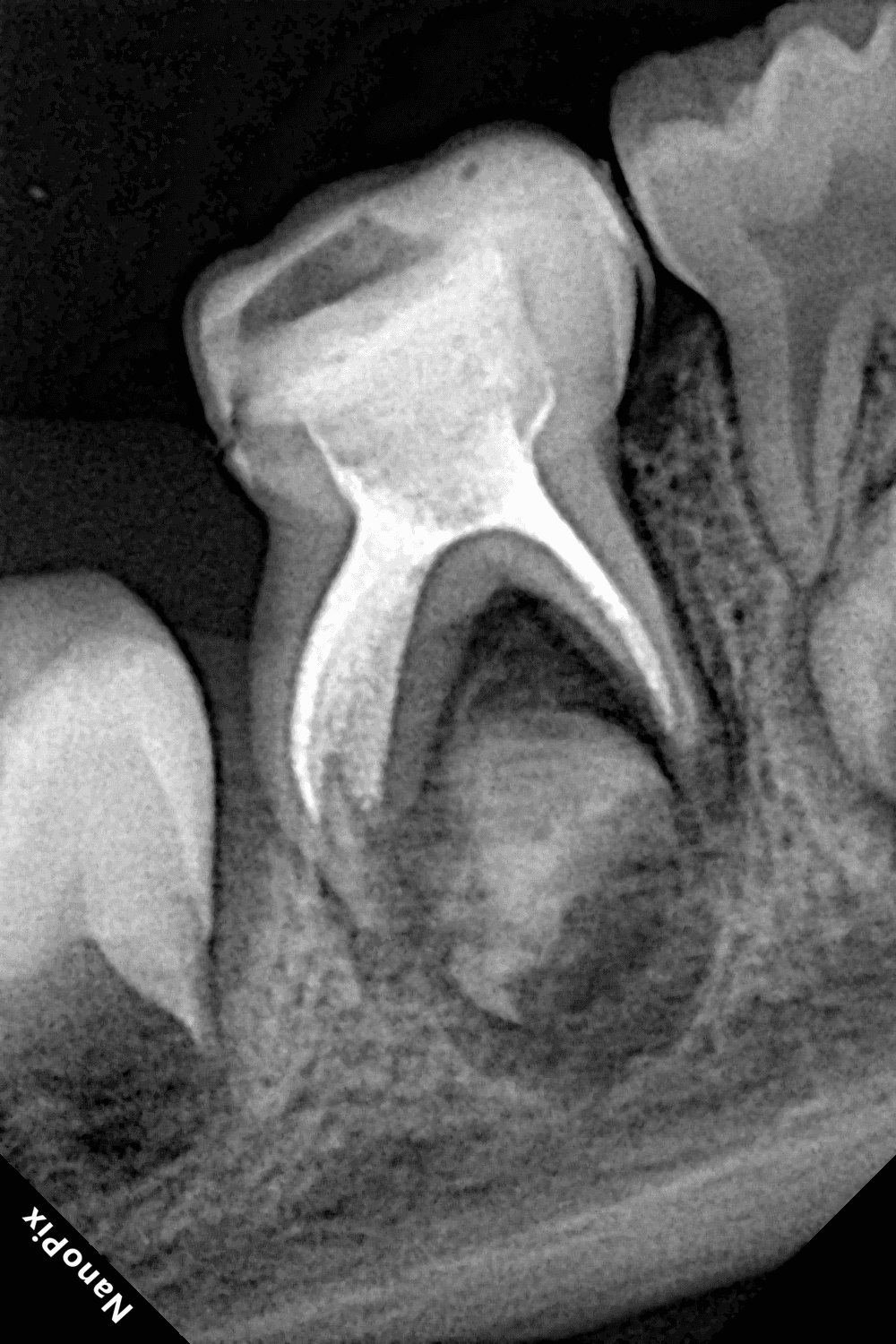
Cavities progress faster in children than in adults because of thinner enamel and, often, a diet high in sugar. If tooth decay reaches the innermost part of the tooth, the pulp, it can lead to pain, swelling, abscess, and difficulty eating and sleeping. If the infection is not controlled, it can also damage the permanent tooth developing below the milk tooth. In such cases, root canal treatment is a good option to treat the tooth. It helps keep the milk tooth in the mouth until it is due to fall out, and prevents many unwanted consequences.
The procedure
The tooth is first numbed with local anaesthesia. The infected pulp is then accessed and removed, and the whole tooth, including the root canals, is cleaned and disinfected. The empty root canals and pulp space are filled with a biocompatible, bacteria-killing filling material. Finally, the tooth is capped with a crown to protect it for the future.
Is RCT safe for children?
Parents often ask us about the safety of RCT in children, worried about its effect on the developing permanent teeth. RCT in children is safe, as shown by the highest level of evidence in scientific studies, and can be done at any age if needed. A timely RCT can stop infection from spreading to the permanent tooth and prevent early loss of the milk tooth.
The procedure may take one, two or three sittings, depending on the extent of the infection, any swelling, and the child’s cooperation.
Our clinic has a ceiling-mounted TV and happy gas (conscious sedation) to make the procedure easier for your child.
Remember, early treatment and good oral hygiene are key to preserving your child’s dental health. If you suspect your child may need a root canal treatment, consult a qualified pediatric dentist who can diagnose the problem and guide you through treatment.

Dr. Urvashi Bhushan · Pediatric dentist and founder, Cheery Smiles Kids Dentistry
Kids Don't Always Say It Hurts: 6 Quiet Signs of a Cavity in Milk Teeth
Kids Don't Always Say It Hurts: 6 Quiet Signs of a Cavity in Milk Teeth
Children rarely say "my tooth hurts". Six everyday signs of a cavity in milk teeth, and why you shouldn't wait for the tooth to fall out.
It’s Not Always About the Teeth: 7 Signs of Oral Development Problems Parents Often Miss
It’s Not Always About the Teeth: 7 Signs of Oral Development Problems Parents Often Miss
Mouth breathing, snoring, thumb sucking, feeding or speech difficulties can all be linked to how your child’s mouth is developing. Seven signs worth a check.
Nitrous Oxide: A Safe and Effective Aid in Pediatric Dentistry
Nitrous Oxide: A Safe and Effective Aid in Pediatric Dentistry
How happy gas helps anxious children relax during dental treatment, how safe it is, and answers to the 10 questions parents ask us most.

Cheery Smiles Kids Dentistry
Pediatric & Preventive Dentistry · Rohini, Delhi
B-26, Ground Floor, Overseas Apartments, Gate-2, Rajapur, Pocket 22, Sector 9, Rohini, Delhi 110085
Monday to Saturday, 10:30am to 7pm · Sunday closed
EXPLORE CHEERY SMILES
© 2026 Cheery Smiles Kids Dentistry · Pediatric & Preventive Dentistry · Rohini, Delhi